
The Comayagüela Market Maze
Dive into the chaotic, vibrant heart of the city's largest open-air trading post.
To understand the raw, unpolished engine of Tegucigalpa, one must cross the bridge into Comayagüela. While the historic center of the capital offers colonial charm and high-altitude views of the valley, this route dives into the city’s working-class heart where commerce is mountain-high and unapologetically chaotic. The logistics of the Comayagüela markets are a labyrinth of inter-city 'chicken buses' and sprawling stalls that define the local economy Tegucigalpa. Navigating this area requires an appetite for risk and authentic Honduran staples, but for those who want to see how the city actually breathes, there is no substitute.
The journey begins at Mercado San Isidro, a massive complex rebuilt several times over the decades. The move here is to find Loly at Miguelito’s cheeses; she is the gatekeeper to the best regional cacao and peanuts, offering prices that aren't inflated for outsiders. From there, the route shifts back toward the center to Los Dolores, a landmark where the iconic white-domed church overlooks a plaza fueled by coffee and baleadas. While the soup vendors here often boast of exotic meats like lizard, the real consistency is found in the classic folded flour tortillas of the day-to-day stalls.
Ending the circuit involves a transition from the markets to the residential outskirts. Pupusas Camino del Valle bridges the gap between Tegucigalpa’s mountainous terrain and its cultural ties to El Salvador. This is where the pace slows down—not necessarily by choice, but by the sheer volume of customers. It serves as a cooldown before the final, albeit brief, architectural check-in at the Puente Juan Ramon Molina, a vantage point that captures the grit and the scale of the capital’s sprawl.
What to Expect
Expect heavy crowds, limited sidewalk space, and a high-sensory environment. Most market vendors operate exclusively in cash (Lempiras), though a handful of modern stalls near Los Dolores are beginning to adopt card readers. The duration spans roughly four hours, best tackled in the morning to avoid the oppressive midday humidity and the gridlock traffic common in the valley's narrow streets. Minimalist dressing is advised; avoid flashy jewelry or expensive tech, and use designated ride-share apps rather than hailing random street taxis to move between further coordinates.
Route Overview
4 stops · 1.6 miThe Route
Mercado San Isidro quesos Miguelito

"Look for Loly—she’s the absolute best and will lead you to the cacao and peanuts at unbeatable prices before you dive deeper into the market."
Market Los Dolores
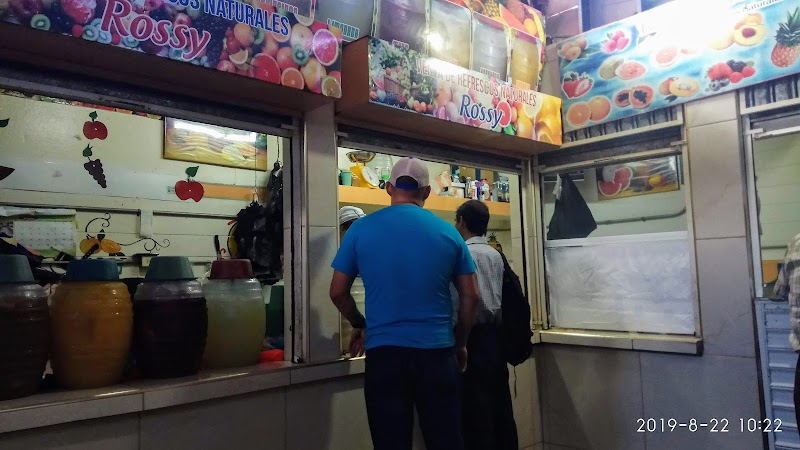
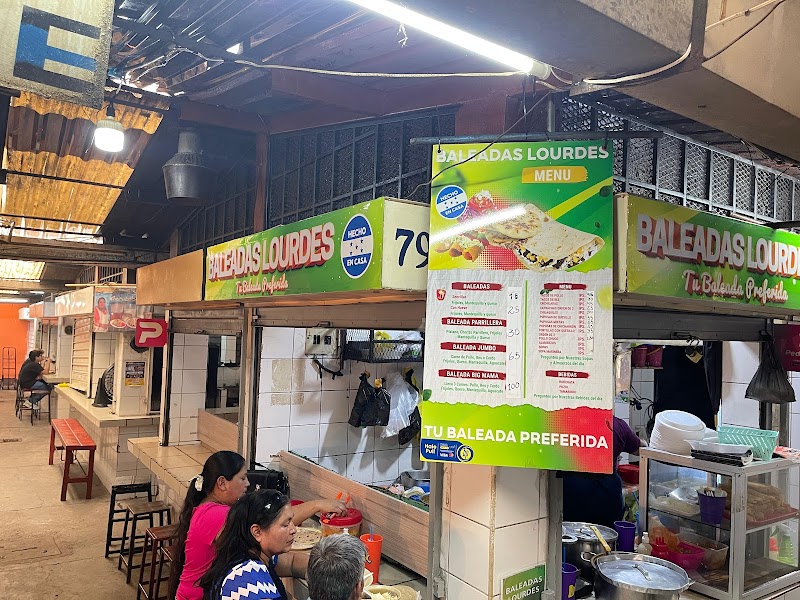
"Skip the generic stalls and head straight for the lizard soup if you're feeling bold, but the baleadas here are the real daily staple. Most vendors only take cash, but keep an eye out for the few modern stalls that finally accept credit cards."
Pupusas Camino del Valle • Salida Valle de Ángeles
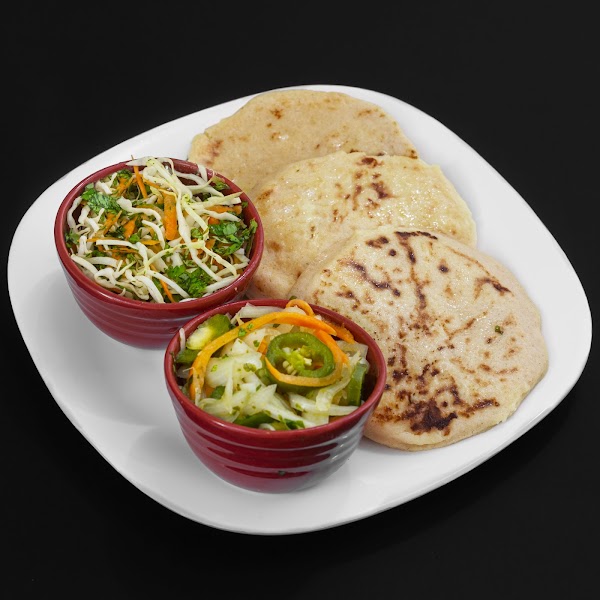
"Ignore the rest of the menu and stick to the pupusas, but whatever you do, don't visit when it's crowded or you'll be waiting an hour for your food."
Puente Juan Ramon Molina
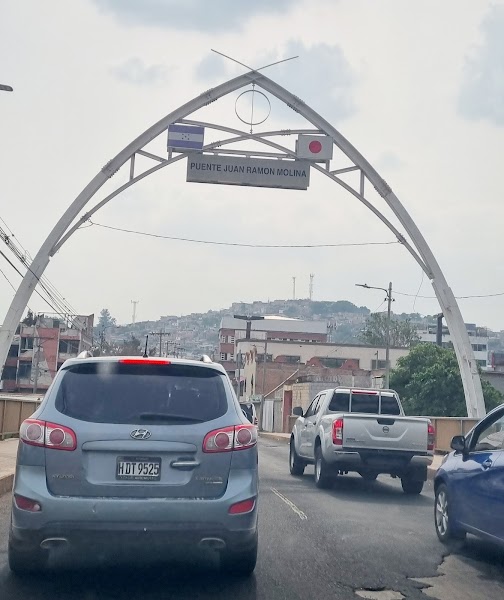
"This is the best night view in Comayagüela, but keep it moving—lingering too long isn't safe and the entrance has a nasty ditch that'll wreck your car's suspension."
Insider Knowledge
At Los Dolores, skip the tourist-baiting 'wild' soups and order a baleada sencilla with extra mantequilla (local sour cream)—the quality of the tortilla is the only metric that matters. When visiting Pupusas Camino del Valle, arrival timing is everything; if the parking lot looks full, keep driving, as the kitchen operates on a first-come, first-served basis that can easily exceed 60 minutes. Finally, for the view at Puente Juan Ramon Molina, do not treat it as a photo op. Drive across slowly to see the city lights, but avoid stopping on the shoulder; the entrance ramp features a notorious deep-set ditch capable of blowing out tires on low-clearance vehicles.